

The paperwork behind the claim.
A new facility does not inherit certificates, and an unaudited carbon number is a marketing artefact. This is what is certified, what is planned, what is measured and what is not being said.
 Primary goal · Goal 12Responsible consumption and production
Anyone can write a sustainability page. The part worth reading is the list of things the company is not claiming yet, and why.
A new facility does not inherit certificates.
Al Amir Group holds a long list of them — HACCP, NFSA, ISO 9001, ISO 22000, ISO 14001, ISO 45001, Halal, GAFTA and GPC. The Sadat City facility is separately pursuing its own, and we say so rather than borrowing the group’s marks for a plant that has not yet been audited against them.
Two of the nine on that roadmap carry the environmental and social weight: ISO 14001 for environmental management and SEDEX/SMETA for ethical trade. Both are in progress, and both are the mechanism by which the claims across these articles stop being claims.
| Standard | What it governs | Status |
|---|---|---|
| ISO 14001 | Environmental management system — aspects, impacts, targets and audit | Planned |
| ISO 45001 | Occupational health and safety management | Planned |
| SEDEX / SMETA | Ethical trade audit — labour, health and safety, environment, business ethics | Planned |
| FSSC 22000 | Food safety system certification | Planned |
| BRCGS | Global standard for food safety | Planned |
The full roadmap, including the food safety and market-access marks, is on the quality and capability page.
What is measured today.
What exists today is the operational data the plant generates anyway: energy per tonne of finished product, water per tonne, waste streams by destination, yield against intake, and road distance per delivery. Those are the inputs a verified footprint is built from.
Collecting them properly through the first full seasons is the honest first step, and it is deliberately unglamorous work. It is also the only route to a number that survives a customer’s own audit.
What we will not claim yet.
We are not publishing a verified carbon figure. We could publish an estimate — most companies our size do — but an unaudited number attached to a new facility in its first campaigns is a marketing artefact, not a measurement.
An unaudited carbon number attached to a first-season facility is a marketing artefact, not a measurement.
None of it works without the growers.
Every mechanism in these articles depends on somebody outside our gate: the farms that plant to a contract, the hauliers who keep the field-to-intake window short, the customers who accept an ambient format instead of a chilled one, and the auditors who eventually check the claims.
That is the practical meaning of Goal 17 for a company of our size. Not a memorandum of understanding, but a standing agreement with the same growers season after season, so improvements in agronomy, irrigation and harvest timing compound instead of resetting every year.
Alamir Ingredients — Sadat City, Egypt. Questions about anything in this article, or the evidence behind it, go to the export team.
Request a quoteDownload documentsOther articles.
 Sourcing

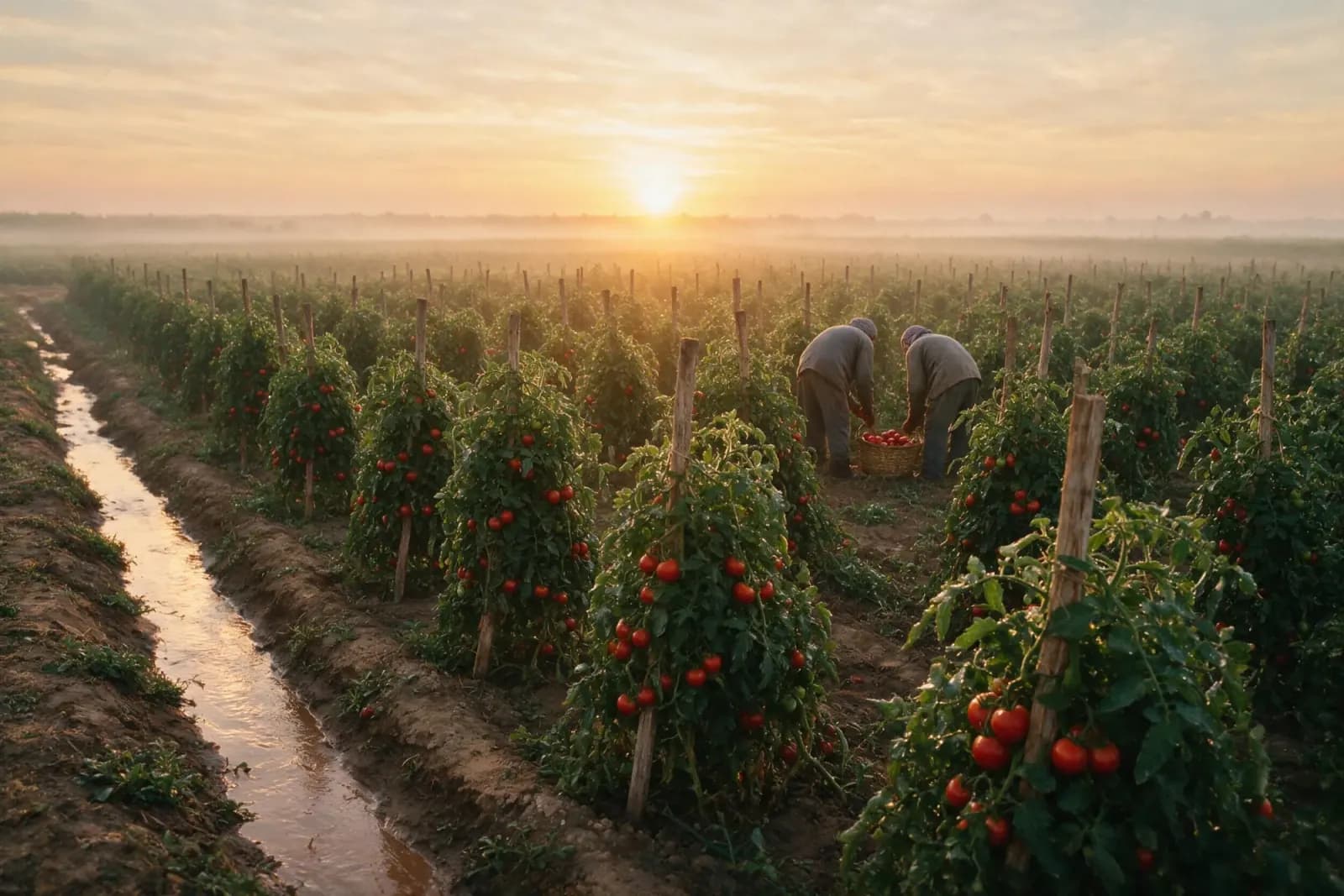
Shorter fields, lower footprint.
Most tomato and fruit concentrate travels a long way before it is concentrated. We built the facility inside the growing region instead — and contract the harvest before it is planted.
Read the article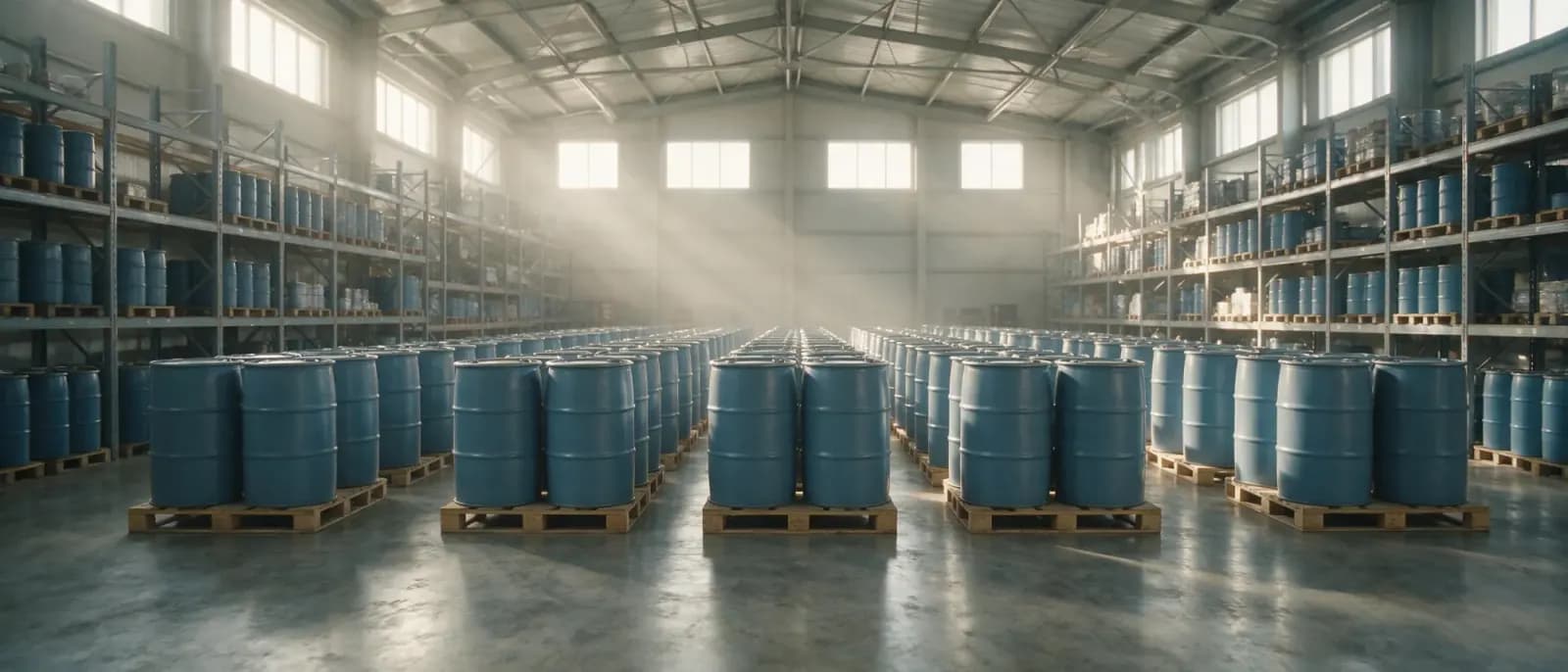 Packaging

Ambient by design.
Aseptic packaging gives tomato concentrate, fruit concentrates and purees up to 24 months of shelf life without refrigeration or preservatives. The largest saving it makes is not on our electricity bill — it is on everyone else’s.
Read the article People

Two hundred and fifty jobs.
A plant is a piece of infrastructure for the people around it as much as for the customers in front of it. This is what 250 direct jobs in Sadat City actually consists of, and what it builds beyond our own payroll.
Read the article