

Two hundred and fifty jobs.
A plant is a piece of infrastructure for the people around it as much as for the customers in front of it. This is what 250 direct jobs in Sadat City actually consists of, and what it builds beyond our own payroll.
 Primary goal · Goal 8Decent work and economic growth
Two hundred and fifty is a number worth being precise about: who they are, what they do, and what the plant builds beyond its own payroll.
What the two hundred and fifty actually do.
Our workforce supports activities across production, quality, food safety, engineering, logistics and commercial operations. It is a spread rather than a shift roster: an aseptic plant needs laboratory analysts and maintenance engineers as much as it needs line operators, and it needs them year-round rather than only in campaign.
direct jobs at Sadat City
functions — production, quality, food safety, engineering, logistics, commercial
core team, with seasonal intake around campaign
Campaign brings additional seasonal work around intake, handling and warehousing. The core technical team is permanent, because the equipment does not stop needing engineers between harvests and the certifications do not pause.
Skills that outlast the job.
Our operations contribute to the development of capabilities within the food ingredients industry, not only within our own company. Aseptic processing, food-safety systems and instrumented quality control are transferable across the whole Egyptian food sector.

What it means for the city.
With 250 direct jobs in Sadat City we contribute to local employment and create opportunities across a growing industrial food ingredients operation. Our operations also support economic activity across the wider local supply chain.
The indirect count is larger than the direct one and harder to state responsibly: hauliers, crate suppliers, maintenance contractors, packaging converters and the farms themselves all carry work that exists because the plant runs. We would rather name the 250 we can verify than publish a multiplier we cannot.
Safety is part of the claim.
ISO 45001, the occupational health and safety standard, is on the certification roadmap for the Sadat City facility, alongside SEDEX/SMETA for ethical trade. Neither is certified yet, and both are being pursued rather than assumed from the group’s existing certificates.
Roles at the facility are listed on the careers page.
Alamir Ingredients — Sadat City, Egypt. Questions about anything in this article, or the evidence behind it, go to the export team.
Request a quoteDownload documentsOther articles.
 Sourcing

Shorter fields, lower footprint.
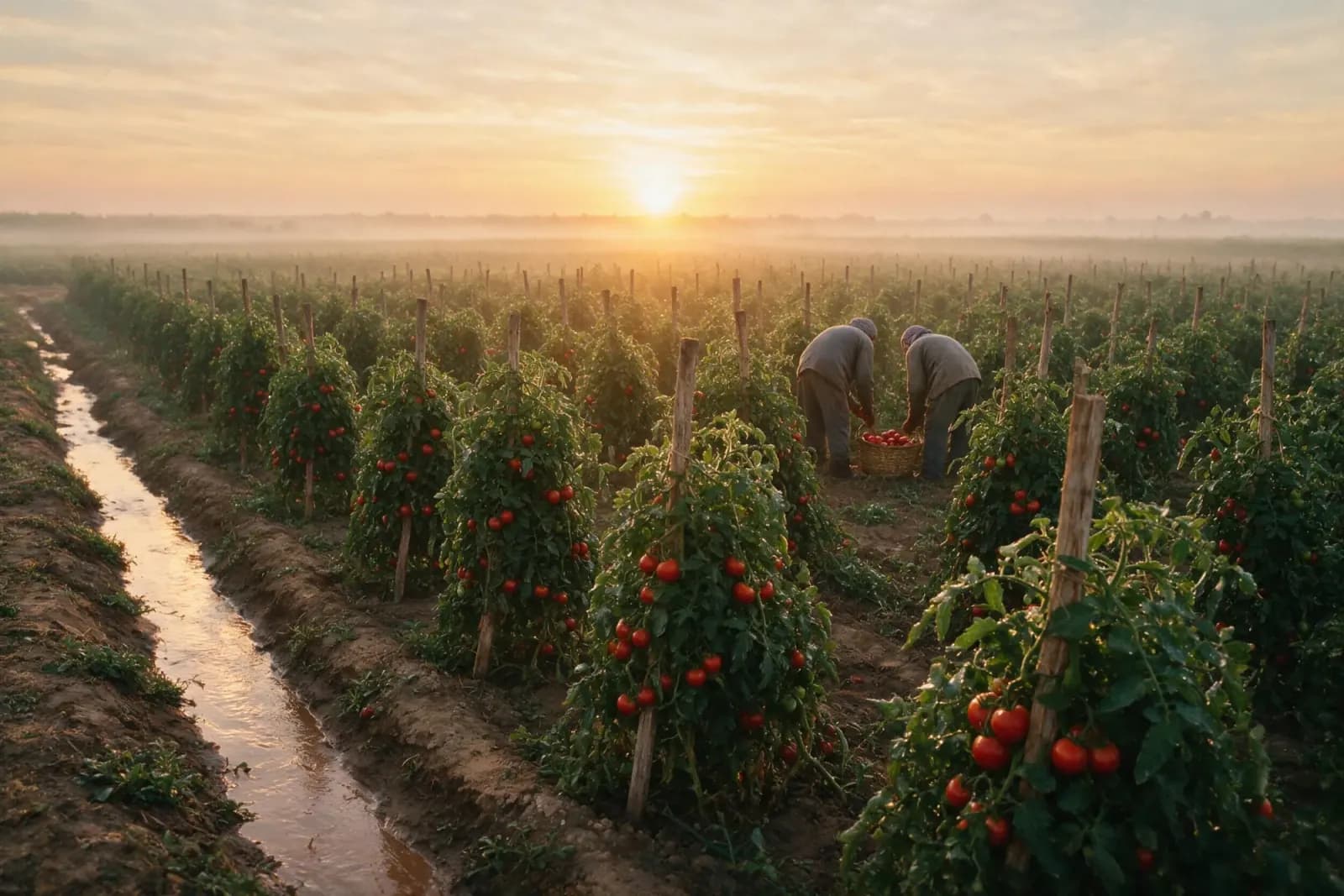
Most tomato and fruit concentrate travels a long way before it is concentrated. We built the facility inside the growing region instead — and contract the harvest before it is planted.
Read the article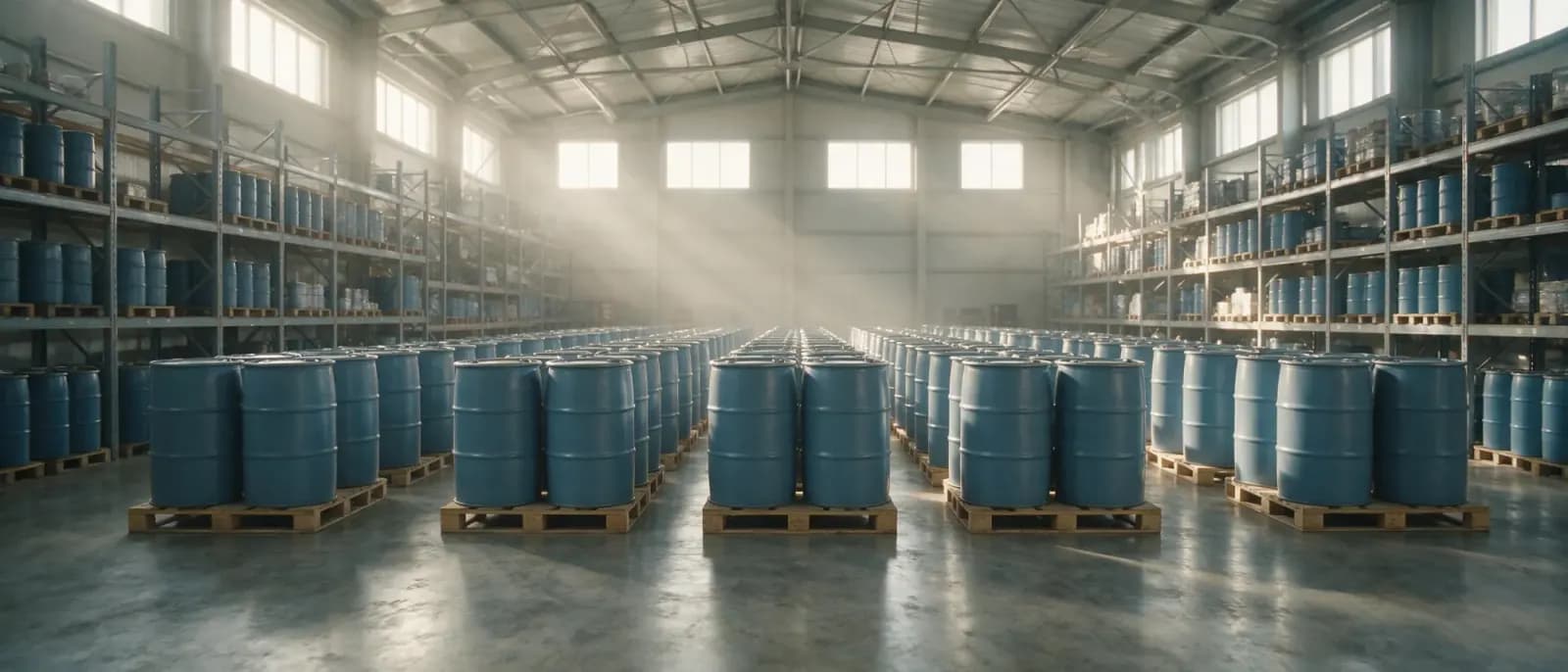 Packaging


Ambient by design.
Aseptic packaging gives tomato concentrate, fruit concentrates and purees up to 24 months of shelf life without refrigeration or preservatives. The largest saving it makes is not on our electricity bill — it is on everyone else’s.
Read the articleEnvironment
Every litre, counted twice.
Fruit uses water in the field and again on the line. In a country as water-constrained as Egypt, a sustainability page that skips this section is not worth reading.
Read the article